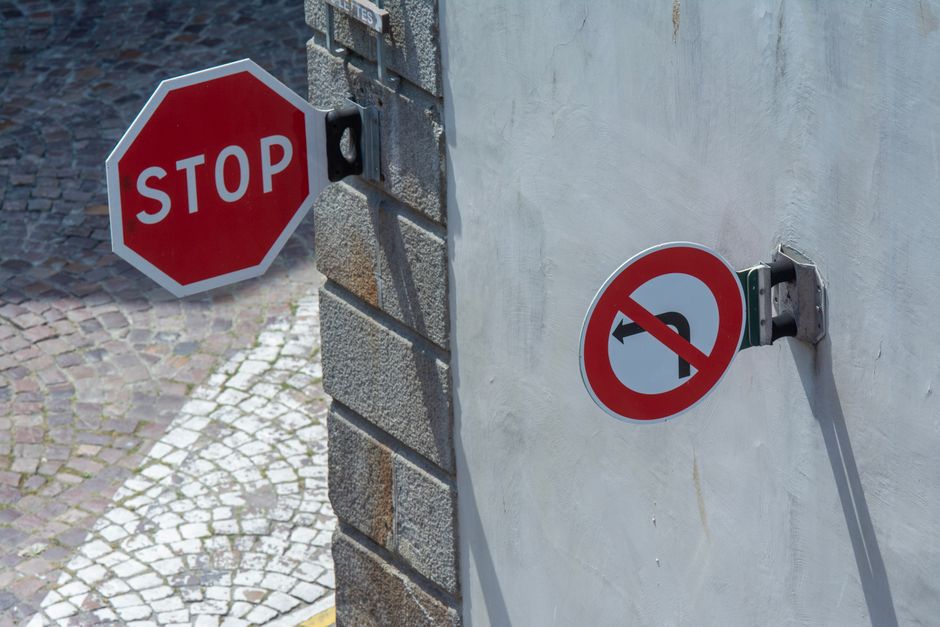
Stop Unwanted Fines: Double-Red Routes & Loading Rules SM5
If you are loading or unloading in SM5, the rules around double-red routes can catch you out fast. One minute you are trying to shift a sofa, deliver office equipment, or move house on a damp weekday morning; the next, you are staring at a penalty notice and wondering what went wrong. This guide to Stop Unwanted Fines: Double-Red Routes & Loading Rules SM5 breaks the whole thing down in plain English, so you can plan sensibly, avoid expensive mistakes, and keep the move moving.
Truth be told, most loading fines are not caused by one dramatic error. They come from small assumptions: stopping where it "looked fine," leaving the vehicle for just a few minutes, or missing a restriction sign because you were carrying boxes and juggling a clipboard. Let's make this practical, not painful.
Why Stop Unwanted Fines: Double-Red Routes & Loading Rules SM5 Matters
SM5 covers busy residential streets, local shopping runs, school traffic, and those awkward corners where a van can block space faster than anyone expects. That is exactly why loading rules matter here. Double-red lines, loading bays, single-yellow restrictions, time windows, and local exemptions all affect where a vehicle can stop, how long it can stay, and whether a quick drop-off is legal.
For anyone moving furniture, collecting stock, or handling a home or office move, the risk is simple: a short, rushed stop can become a fine. And if you are working to a schedule, one fine can be the least annoying part. Delays, stressed customers, awkward neighbours, and extra labour all add up. In our experience, the real cost is often the knock-on effect. A 10-minute misunderstanding can derail an afternoon.
Expert summary: if you need to load in SM5, assume that "convenient" does not mean "permitted." Read the restriction first, park second, and unload with a plan. That one habit saves a surprising amount of trouble.
If your move also involves a home or business relocation, it can help to think in service terms as well as traffic terms. Many customers start by reviewing a local removal services page or comparing options on removals near me to make sure the vehicle, crew, and timing match the street conditions. That sounds obvious, but honestly, people skip it all the time.
How Stop Unwanted Fines: Double-Red Routes & Loading Rules SM5 Works
To avoid unwanted fines, you need to understand the basic relationship between the road marking, the loading allowance, and the actual activity you are doing. A driver may be allowed to stop briefly for loading on some roads, but not on others. Double-red routes are stricter than standard yellow-line controls because they are designed to keep traffic flowing and reduce roadside obstruction. Loading is not a magic pass.
Here is the core idea in everyday terms: if the signs or markings say stopping is prohibited, then the vehicle should not stop there unless a specific exemption applies. Loading exemptions, where they exist, tend to be narrow and factual. You need to be actively loading or unloading, not just "near the van," "waiting for the lift," or "getting the keys from upstairs." The difference matters.
On a practical level, the enforcement officer is usually looking at the visible facts: is the vehicle stationary, are goods being moved, are the goods bulky or genuine, and is the stop within any permitted time or bay? If those details do not line up, a penalty can follow. So the trick is not confidence. It is evidence, timing, and common sense.
What counts as loading?
Loading usually means moving goods between the vehicle and a premises in a direct, purposeful way. That can include boxes, furniture, office items, white goods, and trade stock. It does not usually include leaving the van while you go to sort out paperwork, make repeated trips with no visible goods, or have a long chat at the door while the vehicle sits there.
What makes double-red routes different?
Double-red routes tend to be treated more strictly than single yellow or single red arrangements. In simple terms, the road is being protected from stopping problems for most of the day or at specific times, so you should not assume normal unloading rules apply. If you are not sure, do not gamble. In traffic compliance work, the cheapest choice is usually the careful one.
Key Benefits and Practical Advantages
Using a proper loading plan for SM5 is not just about avoiding fines. It makes the entire job smoother. That might sound a bit neat and tidy, but it is true.
- Fewer penalties: You reduce the chance of avoidable fines for stopping in the wrong place.
- Better timing: The move runs more cleanly when the vehicle is not being repositioned again and again.
- Less stress: No one likes carrying a wardrobe while worrying about enforcement nearby.
- Safer handling: Planned loading means fewer rushed lifts and fewer awkward dashes across the road.
- Cleaner communication: Everyone knows where the van can stop and how long the work should take.
There is also a customer-service angle. If you are a homeowner, a shop owner, or an office manager, you do not want the day to feel improvised. People remember the calm, not the chaos. A well-managed stop in the right place can be the difference between "smooth enough" and "that move was a nightmare."
For larger jobs, using the right transport can help too. A suitably sized moving van or a more tailored man with van setup may reduce the number of trips and shorten the time spent at the kerb. Fewer trips usually means fewer chances to attract attention. Simple, but effective.
Who This Is For and When It Makes Sense
This matters for anyone who needs to stop briefly in SM5 while moving items. That includes domestic movers, tradespeople, delivery teams, office relocations, furniture pick-ups, and small businesses receiving stock. If your work involves kerbside loading, even occasionally, the rules are worth understanding before you arrive.
It especially makes sense if:
- you are moving bulky items that cannot be carried quickly
- you have a narrow time window for access
- the property sits on a busy road with limited parking
- you are using a hired vehicle, so you may not know the local restrictions well
- you are coordinating several people and do not want them standing around while the driver hunts for a safe stop
SM5 can also be a bit deceptive. A street may look quiet at 7:30 in the morning and then fill up fast. The curb space that seemed available when you arrived may not remain available for long. You know how it goes - you plan for six boxes and end up with sixteen, a mattress, and someone asking where the kettle is. That is when a proper loading plan earns its keep.
Step-by-Step Guidance
If you want to avoid unwanted fines, use a simple method every time. Nothing fancy. Just consistent.
- Check the road markings before you stop. Look for red lines, yellow lines, bay markings, and signs that control stopping or loading.
- Confirm what you are doing. Are you actively loading or unloading goods? If yes, keep that activity obvious and continuous.
- Choose the safest lawful stop available. If there is a lawful loading bay nearby, use it. If there is no suitable stop, reconsider the plan rather than forcing it.
- Keep the vehicle close to the work. The longer the carrying distance, the longer the stop usually takes.
- Split the load intelligently. Put the most time-sensitive or bulky items first.
- Maintain a visible chain of activity. The work should look like real loading, not a vehicle left unattended.
- Watch the clock. If the stop becomes longer than expected, move the vehicle or adjust the plan before it becomes a problem.
- Record useful details. Time, location, and what was being loaded can be helpful if a dispute ever arises.
A useful real-world habit is to agree the loading order before the vehicle arrives. If you are doing a house move, have the boxes grouped by room. If it is a commercial job, keep stock and equipment staged by priority. If nobody decides this in advance, the first five minutes can disappear in a lot of muttering and looking around. Easy to avoid, though.
For bigger or more complex moves, it can be worth pairing this approach with a practical service plan such as house removals for domestic work or commercial moves for business relocations. The better the job is staged, the less likely you are to need awkward roadside compromises.
Expert Tips for Better Results
Here is the part that saves people money in the real world.
- Arrive a little early. Ten spare minutes can be the difference between using a legal bay and circling the block like a hawk.
- Use a spotter if possible. One person watches the vehicle and the road while the others move goods.
- Keep doors and lifts ready. The loading point should be open before the van stops.
- Plan for the heaviest items first. This reduces stop time and avoids repeated heavy lifts.
- Do not confuse waiting with loading. A van parked while someone fetches a key is still a van parked.
- Have a backup place in mind. Streets change quickly, especially near schools, shops, and local junctions.
- Keep paperwork handy. If a delivery or move is time-limited, you should be able to show what is happening if asked.
One subtle point: if a stop looks borderline, it usually is borderline. That sounds simple, but it is a good rule. When people get a fine, they often say, "I only left it there for a moment." That may be exactly why the ticket was issued. A moment can still be enough.
If you are unsure how to structure the job, a broader page like man and van can help you think through whether a smaller, more agile vehicle is the better fit than a larger truck. In tight SM5 streets, size and manoeuvrability matter more than people expect.
Common Mistakes to Avoid
Most fines come from a handful of predictable mistakes. The good news is that all of them are avoidable with a bit of discipline.
- Stopping first and checking later. That is the classic one.
- Assuming a loading exemption applies everywhere. It does not.
- Leaving the vehicle unattended for too long. Enforcement often turns on what the officer can actually see.
- Using the wrong side of the road. A "convenient" stop on the opposite side can still be illegal.
- Underestimating the time required. A sofa, fridge, or archive box run often takes longer than expected.
- Not briefing the team. If half the crew is inside and half is waiting outside, nobody is really in control.
- Ignoring local signs because you are in a hurry. Hurrying is understandable. It is also expensive.
Another common mistake is treating a moving job like a generic delivery. It is not. A house move or office relocation often involves repeated trips, heavier items, and more uncertainty. That is why services such as home moves and office removals deserve their own loading plan rather than a rushed, one-size-fits-all approach.
Tools, Resources and Recommendations
You do not need complicated software to avoid fines. A few simple tools and habits go a long way.
- Printed loading plan: Useful for larger house or office jobs.
- Phone timer: Keeps everyone honest about how long the stop has lasted.
- Site photos: Helpful for recording the road layout, bay markings, or access point before unloading begins.
- Handheld notes: Time of arrival, departure, and item type can help if there is later a dispute.
- Team checklist: Stops confusion before it starts.
For customers comparing transport choices, it may help to look at practical options like removal van, removal truck hire, or removal company depending on the size and complexity of the job. The aim is not to overbuy. The aim is to match the vehicle to the street and the load.
If your move involves careful handling or fragile items, the right support matters even more. A service that includes packing and unpacking services can reduce last-minute scrambling at the kerb. That alone can make loading easier and quicker.
Law, Compliance, Standards, or Best Practice
In the UK, parking and loading controls are enforced through local traffic rules, signage, and the practical facts of what the vehicle is doing. The exact rules can vary by road, by bay, and by time of day. That is why it is risky to rely on memory or guesswork. If the street has restrictions, the sign wins. Every time.
From a best-practice standpoint, the safest approach is to:
- read the signs on arrival
- assume stopping restrictions apply until you confirm otherwise
- keep loading activity genuine, direct, and continuous
- avoid overstaying in a bay or stopping place
- choose the smallest lawful impact on road traffic and pedestrians
If you are arranging a professional move, it is also sensible to make sure the provider's working practices are properly documented. That is where pages like health and safety policy, insurance and safety, and terms and conditions become useful. They do not replace local parking rules, of course, but they do show that the job is being handled with care.
For businesses, this matters on a reputational level too. A repeated loading issue at the same address can affect staff time, customer perception, and even relationships with neighbouring properties. Better to set the standard early and keep it steady.
Options, Methods, or Comparison Table
Different jobs need different loading approaches. Here is a simple comparison to help you decide.
| Approach | Best for | Main advantage | Main risk |
|---|---|---|---|
| Quick kerbside loading | Small, lawful stops with light goods | Fast and efficient | Easy to overrun the permitted time |
| Loading bay use | Busy roads with designated space | More structured and predictable | May still be time-limited or controlled |
| Pre-staged move | Households and offices with many items | Shorter stop duration | Needs more preparation indoors |
| Smaller van setup | Narrow streets and limited access | More manoeuvrable, fewer complications | May require more than one trip |
| Full removals support | Complex or higher-volume moves | Better planning, less roadside pressure | Higher upfront cost than a DIY stop |
There is no single "best" option for every move. A compact van might be perfect for a flat move in SM5, while a larger business relocation may need a more structured setup. The point is to choose the option that keeps the loading stop lawful and short. That is the whole game, really.
Case Study or Real-World Example
Picture a small office move on a weekday morning in SM5. The team arrives with boxes, monitors, and a couple of filing cabinets. The temptation is to stop right outside the building entrance because, well, it is close. But the road has double-red restrictions and no obvious loading allowance at that point.
Instead of forcing it, the driver checks a lawful alternative a short distance away, and the crew stages the items near the door in advance. The first load is prioritised: monitors, key files, and the most fragile items go in first. A team member keeps an eye on the clock while another handles the route between office and van. The loading stop stays brief and orderly.
No drama. No ticket. No rushed apology to the building manager, either.
That example is small, but it shows the real pattern. The penalty is rarely caused by the heavy lifting itself. It is caused by poor positioning and poor timing. Once those two are handled, everything gets easier.
Practical Checklist
Use this before you stop in SM5.
- Have I checked the road markings and signs?
- Is this a genuine loading or unloading stop?
- Do I know how long the stop is likely to take?
- Is there a safer or more suitable lawful stop nearby?
- Have I briefed the team on the loading order?
- Are the items ready to move, or will the van wait while people organise things?
- Have I got a backup plan if the street is blocked?
- Can I keep the loading activity continuous and visible?
- Do I know which vehicle size is appropriate for the job?
- Have I reduced the number of trips where possible?
Quick takeaway: if you can answer these questions calmly before the engine switches off, you are already ahead of most avoidable fine situations.
Conclusion
Stopping unwanted fines in SM5 is not about being clever or taking a chance. It is about reading the road properly, planning the loading stop honestly, and using the right vehicle and process for the job. Double-red routes leave very little room for improvisation, so the best approach is simple: check first, load efficiently, and move on before the stop turns into a problem.
If you are handling a home move, office relocation, furniture collection, or a smaller local job, the same principle applies every time. Good loading practice saves money, time, and a lot of unnecessary stress. And on a wet weekday in London, that matters more than people admit.
For broader planning, you may also want to review pricing and quotes, or learn more about the business behind the service on the about us page. If you need help getting the move organised, the best next step is a straightforward conversation before the vehicle arrives.
Get a free quote today and see how much you can save.
And if all you do after reading this is pause for ten seconds before stopping the van, that might be the smartest ten seconds of the whole day.
Frequently Asked Questions
Can I load on a double-red route in SM5?
Not automatically. Double-red routes are stricter than ordinary parking controls, so you should only stop there if the local restrictions clearly allow it or a specific exemption applies. Check the signs on the spot rather than assuming.
What counts as loading and unloading?
It usually means moving goods directly between the vehicle and the premises. The activity should be genuine, continuous, and related to the goods being transported. Waiting around, collecting keys, or leaving the vehicle unattended is not the same thing.
How long can I stop for loading?
There is no single universal answer. It depends on the location, the road marking, the signage, and any local allowance. That is why you should treat every stop individually and not rely on a previous street's rules.
Do I need to keep the vehicle with me while loading?
As a rule of thumb, yes, or at least within immediate control. If the vehicle is left alone and the loading activity is not obvious, it becomes harder to justify the stop if enforcement occurs.
What happens if I get a penalty notice?
You may be able to review the notice and decide whether to challenge it, but that depends on the facts and the evidence available. Keep any notes, photos, or timing details if you think a mistake was made.
Is a quick stop ever allowed on double-red lines?
Only if the relevant restrictions allow it. "Quick" does not mean "permitted." That is the uncomfortable truth, but it is the one that saves money.
What is the safest way to plan a move in SM5?
Start by checking the access point, the road markings, and the expected loading time. Then choose a vehicle that can manoeuvre easily and stage the goods so the stop is as short as possible.
Should I use a larger van or a smaller one?
It depends on the street and the load. A smaller, more agile vehicle can be easier in tight residential roads, while a larger van may reduce the number of trips. The best choice is the one that fits the route without creating parking headaches.
Can a moving company help avoid loading fines?
Yes, if they plan the job properly and understand loading access. A good team will think about road layout, stop duration, and vehicle size before arrival, not after the van is already in the wrong place.
Are loading bays always safe to use?
No, not always. Some bays are time-limited, signed, or reserved for certain users. Always read the details on the sign. A bay is only helpful if it matches your actual stop.
What documents or evidence should I keep?
If you want to protect yourself in case of a dispute, keep a note of the time, location, purpose of the stop, and any relevant photos. Even a simple phone note can be useful later.
Where can I get more practical help with a move?
If you are organising a move or collection, it can help to look at removals, man with a van, or house movers depending on the type of job. The right service can make the loading side much easier to manage.