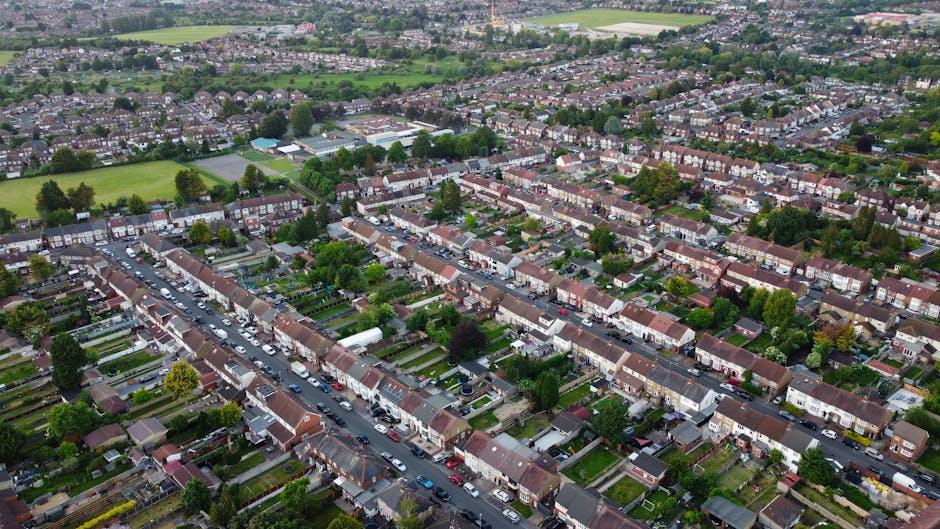
Man with van in Carshalton

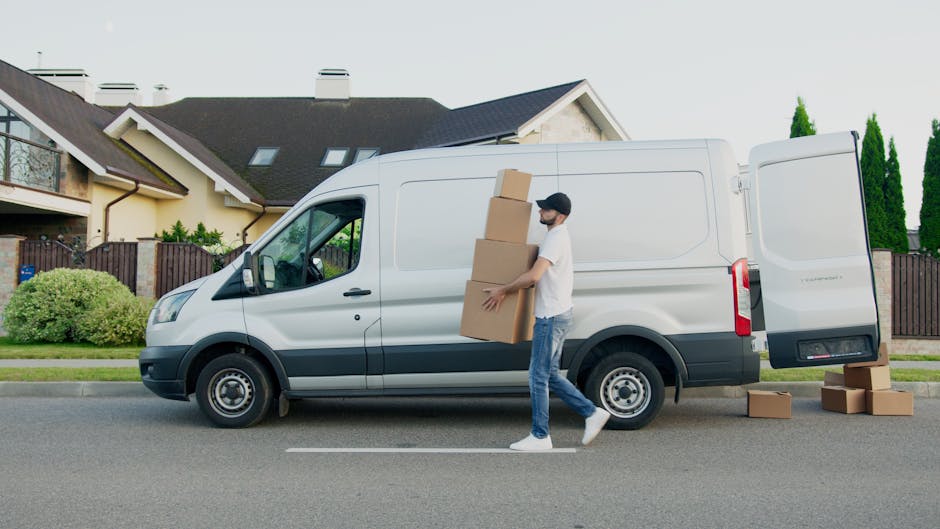
Our man with van in Carshalton service is designed for practical moving jobs that need careful handling, sensible vehicle space and a straightforward approach. We help with household items, single loads, light removals and local transport where a full-scale removal lorry would be unnecessary. The emphasis is on safe loading, tidy planning and a service that keeps the move organised from the first collection to the final drop-off.
As a flexible moving option, this service suits customers who want help shifting furniture, boxes, white goods or mixed contents between addresses, storage and other destinations. It can also be used for collection work when items need to be picked up from shops, storage facilities, auction rooms or private addresses. If you want to compare the right service for your move, start with the size and type of items rather than just the distance.
For a clearer idea of scope, see our removal services information, which gives a broader view of the moving work we cover. Smaller moves often benefit from careful loading order, wrapping for delicate surfaces and a vehicle layout that keeps items stable in transit. That combination helps keep the process efficient without turning it into a rushed job.
Household moves and everyday transport

Many customers use a man and van arrangement for a modest house move, part-load relocation or transport between rented homes. It is often a good fit when the volume is manageable but the items still need more than a standard car boot. Sofas, wardrobes, beds, drawers, dining sets and packed boxes can usually be moved in a planned sequence, reducing the chance of damage and making unloading more orderly.
We can also help with smaller domestic tasks that sit outside a full move, such as shifting a few pieces after decorating, taking surplus items to storage or moving belongings while furniture is being replaced. Where access is limited, the route from property to vehicle matters as much as the loading itself. Narrow hallways, steps, shared entrances and parking distance all shape the way the work is approached.
Useful preparation keeps the job smoother, but it does not need to be complicated. A simple list of what is going, what should stay accessible and whether anything needs dismantling can save time on the day. If you are unsure about the best way to present a mixed load, keep the request plain and ask for a quotation based on the items you want moved.
Furniture, bulky items and careful handling

Furniture work is often the heart of a man with a van booking, especially when the items are large enough to need two-person handling but not so numerous that a large removal team is required. Tables, cupboards, beds and freestanding storage can be handled as individual pieces or as part of a broader load. Where appropriate, dismantling can make the job safer and easier, provided the item allows it and the fixings are kept together.
Bulky items also need sensible protection. Blankets, wrapping and secure placement inside the vehicle help reduce surface rubbing and movement during transit. This matters for polished wood, glass-fronted units and awkward items with protruding edges. The aim is not simply to fit everything in, but to load in a way that respects the shape and fragility of each item.
If your job includes an unusual item, it is worth describing it clearly rather than using a general label like “furnitureâ€. Fridges, washing machines, large mirrors and exercise equipment can each call for different handling, even when the journey is short. For wider background on collection work, our furniture pick-up page gives a useful overview of this kind of transport.
Commercial moving and office items
Although many enquiries are domestic, a van-based removal service can also support straightforward commercial tasks. That may include office chairs, desks, filing cabinets, packaged stock, archive boxes or equipment being moved between sites. Small business moves often benefit from a compact service because access, timing and item mix can matter more than absolute volume.
Office transport is usually best organised around categories rather than individual pieces. Sensitive papers, monitors, printers and peripheral items can be grouped so they are loaded in the right order and unloaded to the right part of the destination. Clear labelling and a sensible sequence reduce confusion, especially when the move is taking place around staff activity or during a short window.
Where the move is slightly larger than a basic collection, the purpose of the service may shift from a simple lift-and-carry job to a more structured move. Our office removals page covers this type of work in more detail, while commercial moves is useful for general business transport requirements. Both can help a customer judge which route fits the job most comfortably.
How to plan a van-based move
Good planning keeps the service practical and reduces wasted time. The key details are the volume of items, the pickup and drop-off points, whether any items need dismantling and whether there are stairs, lifts or parking restrictions to consider. When those points are known in advance, the move can be arranged in a way that feels measured rather than hurried.
It also helps to separate what must travel from what can be collected later or moved in a second load. Some jobs are best handled in one trip, while others are easier when split into distinct phases. If you are comparing options, think about the balance between vehicle space, loading time and access. A short local move may still need careful coordination if the property layout is awkward or the furniture is heavy.
For customers wanting a broader sense of available moving formats, man and van removals can be a helpful reference point, and house removals provides another route into the domestic moving service. Both pages sit naturally alongside this service when you are deciding how detailed your request should be.
Packaging, loading and safeguarding items

When moving mixed household goods, packaging is often just as important as lifting. Boxes should be reasonably sealed, fragile items should be grouped sensibly and loose contents should not be left to shift around inside larger containers. Good packing helps the van load stay stable and makes unloading more straightforward, particularly where items are going into a home, storage unit or business premises with limited room.
Loading order also has a real effect on the move. Heavier items normally go in first, followed by medium pieces and then lighter or more delicate items where they can be secured properly. This approach is especially useful when the service involves multiple stops or when items of different shapes have to travel together. It is not about filling the vehicle as fast as possible, but about making sure the journey is controlled.
Our packing and unpacking services page explains the packaging side of the work, while moving van is a useful option if you are comparing vehicle-based solutions. If the job includes both transport and careful preparation, a quotation request should mention any fragile belongings so the arrangement reflects the real workload.
Access, timing and practical job details
Many man with van jobs are made easier by simple access information. That includes whether the vehicle can park close to the entrance, whether there are lift restrictions, whether large items need to be carried upstairs and whether the property is in a shared building with narrow communal areas. These details do not make the job impossible; they just affect how the work should be organised.
Timing matters too, especially if the collection has to fit around building access, key handovers or storage opening hours. A clear idea of the start point, finish point and any intermediate stops helps reduce confusion. If a move involves items being moved out before new furniture is delivered, or if there is a gap between addresses, the sequence should be described when requesting the job.
A plain description is often enough: what is being moved, where it is going and what makes the job slightly different from a standard transport run. For customers comparing service types, moving truck and removal van are useful pages to review alongside this one when deciding on vehicle size and moving style.
About Carshalton
Carshalton is a historic area in the London Borough of Sutton, known for its village-like centre, conservation areas and a strong connection with water and green space. The village green and surrounding streets preserve an older suburban character that sits alongside later residential development. Carshalton Ponds, fed by spring water, remain one of the best-known features of the area and help define its landscape, while nearby Carshalton Park and Grove Park provide open green routes through the neighbourhood. The area has long been shaped by the River Wandle and by local mills and industry that once relied on the water supply, leaving a history that still appears in the built environment and place names. St Philomena’s Church, St Mary’s Church and a range of older houses and public buildings add to the architectural mix, and the centre includes everyday shops, cafés and community facilities around the High Street. The locality also has rail connections that link it with wider South London, while the surrounding streets range from compact terraced housing to detached and semi-detached homes. Seasonal events and local groups contribute to a sense of place that is recognisably suburban yet rooted in older Surrey and London histories. Taken together, these features give Carshalton a settled character, with water, greenery and heritage all forming part of its identity.
Local moves, collections and storage runs
Van-based transport is especially useful when the job involves a short move within the same area, a delivery to storage or a collection that does not justify a larger moving arrangement. The service can suit a single bulky item, a few rooms’ worth of packed boxes or a mixed load that needs both space and care. In each case, the aim is to keep the load manageable and the process clear.
Storage runs often work best when items are grouped in a logical order before loading. Boxes that will be needed sooner should be easier to reach, and heavier pieces should not trap lighter items underneath them. If you are taking possessions into storage, or bringing them back out again, the sequence can be arranged around what you need to access first. That small amount of planning can make a noticeable difference later.
For related services, removals near me may help customers who are comparing local options, and man with van removal gives a service-specific route for a simpler moving job. If you already know the items and destination, use that detail to request a quotation that reflects the actual scope.
What affects the quotation

Quotations for this kind of service are usually shaped by several practical factors rather than a single headline item. The number and size of objects, the distance travelled, whether a return trip is needed and how easy it is to load and unload all influence the work involved. A job with difficult access can take longer than a longer route with straightforward parking and level entry.
Additional considerations may include whether you need help with dismantling, whether there are multiple collection points and whether the items require special care while being moved. If the load contains a mix of furniture, boxes and delicate possessions, it helps to mention the balance between them rather than only the largest item. That allows the move to be planned with more accuracy from the outset.
When you are ready, you can also look at pricing and quotes for a broader view of how enquiries are handled, and then contact us with the details of your move. If you prefer, simply send the essentials now and ask for a quote in your own words.