SM5 Moves: Best Streets for Easy Van Access
Posted on 15/05/2026
Moving in SM5 can be straightforward if you choose the right street, plan your van positioning properly, and think a step ahead about parking, turning space, and loading access. That sounds simple enough, but anyone who has tried to reverse a van into a tight residential road on a damp morning knows the reality can be a bit more awkward. The difference between an easy move and a stressful one is often the street outside the property. In this guide to SM5 Moves: Best Streets for Easy Van Access, we'll look at what makes a street practical for removals, how to judge access before moving day, and how to reduce the faff without cutting corners.
Whether you are moving from a flat, a family house, student accommodation, or a place with awkward on-street parking, the aim is the same: keep the van as close as possible, reduce carrying distance, and avoid last-minute delays. Lets face it, nobody wants to lug boxes half a street on move day.
Why SM5 Moves: Best Streets for Easy Van Access Matters
Access is one of the biggest hidden variables in any house move. People naturally focus on boxes, dates, and costs, but the street itself often decides how smoothly the day runs. In SM5, some roads are easier for vans because they offer wider carriageways, more sensible parking layouts, better sightlines, or simply less pressure from busy traffic. Others are fine for cars but awkward for a larger removal vehicle.
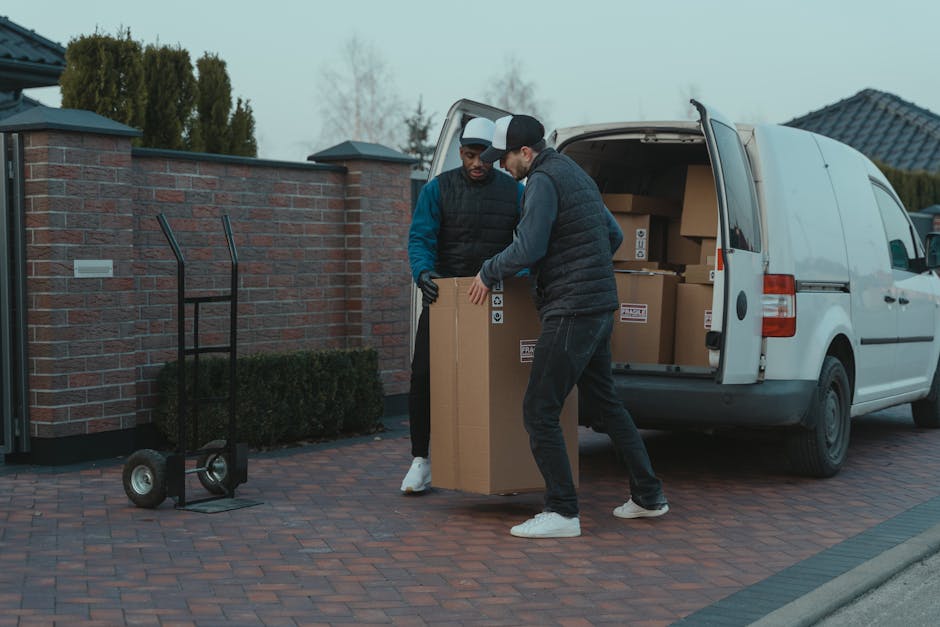
For a man and van or a full removal team, a few metres can make a real difference. If the van can stop close to the entrance, loading becomes quicker, safer, and much less tiring. If it cannot, every item has to be carried further, and the risk of bumps, scrapes, and fatigue goes up. That matters even more for heavier furniture, pianos, mattresses, or awkward items that don't enjoy being turned in stairwells. If you are planning larger items, it may help to look at specialist support such as furniture removals in Carshalton or the dedicated piano removals service.
There is also a financial angle, though nobody loves to talk about it. Easier access usually means less time spent loading, fewer delays, and a cleaner schedule overall. That can reduce pressure on everyone involved. In moving terms, a good street is not just convenient; it is a small advantage that compounds across the day.
Expert summary: The best moving street is not always the widest one on the map. It is the one that gives a van enough room to stop safely, load efficiently, and leave without causing avoidable hassle for you, your neighbours, or your driver.
How SM5 Moves: Best Streets for Easy Van Access Works
The idea is simple: identify which streets in SM5 make loading and unloading easier before move day arrives. That means looking at road width, parking patterns, vehicle restrictions, entry points, corner visibility, and whether the property has a driveway, forecourt, or rear access. It is part planning, part common sense, and a little bit of local know-how.
In practice, the process usually works like this. First, you assess the property and the surrounding street. Then you decide where the van can legally and safely stop. After that, you work out whether the moving team can carry items directly from the front door, side gate, or rear entrance. This is especially useful for houses with narrow front gardens, shared access, or awkward terraced layouts.
On some SM5 roads, the challenge is not the width of the road itself but the congestion or parking pressure at certain times. A street may look easy on paper, but if residents have a high demand for spaces, a van can be forced to park further away. This is why timing matters. Early mornings tend to be calmer than school-run or commuter windows, though of course every road has its own rhythm.
For a deeper understanding of move preparation, it is worth reading practical guides like the best packing practices for relocating and smart decluttering ideas for moving day. A street with easy van access works best when the rest of the move is organised too. One without the other? Bit of a headache.
When people talk about "easy access," they usually mean a combination of the following:
- A safe stopping point for the van near the property
- Enough room to open rear doors and manoeuvre items
- Minimal obstruction from parked cars or narrow bends
- A clear route between the property and vehicle
- Reduced carrying distance for bulky or fragile items
Key Benefits and Practical Advantages
Choosing a street with better van access gives you more than convenience. It changes the whole tempo of moving day. The loading process feels more controlled, the team can work more safely, and the odds of damage go down simply because there is less unnecessary handling.
| Benefit | Why it matters | What you notice on the day |
|---|---|---|
| Shorter carry distance | Reduces fatigue and handling risk | Fewer trips, faster loading |
| Better parking position | Makes loading safer and more efficient | Less rushing, fewer awkward turns |
| Improved timing | Helps avoid peak parking pressure | Less waiting around with doors open |
| Lower stress | Removes one major source of uncertainty | Everyone stays calmer, honestly |
| Better protection for items | Less lifting means fewer knocks and scrapes | Furniture arrives in better shape |
There is a practical knock-on effect here as well. When access is easier, you can often keep fragile items grouped sensibly, protect doors and stair edges better, and avoid the awkward "where do we put the sofa while we wait?" moment. If you are moving larger pieces, this pairs neatly with advice from the guide to moving beds and mattresses and smart sofa storage guidance.
Another benefit that gets overlooked: a better street choice can help with neighbour relations. A van that is not blocking driveways or sitting halfway across a narrow road is simply less disruptive. That matters in tightly packed residential areas where people notice everything, and quite rightly so.
Who This Is For and When It Makes Sense
This topic is relevant to anyone moving within SM5, but some people benefit more than others. If your property has limited parking, shared access, or a long walk from the road to the front door, street choice becomes a serious planning point rather than a minor detail.
It especially makes sense for:
- Families moving from terraced or semi-detached homes
- Flat movers dealing with shared entrances or limited bays
- Students moving quickly between rentals
- Older adults who want to reduce physical strain
- Anyone moving heavy or awkward furniture
- People arranging a same-day move with less room for error
If you are in a hurry, a service like same-day removals in Carshalton can be especially useful, because timing and access need to be tight. Likewise, if you are moving from a flat, the practical considerations are a bit different and often more sensitive to parking position, lift access, and stairwell width. In that case, flat removals support can make the process feel much more manageable.
There is also a simple rule of thumb: the less certain you are about parking outside the property, the more valuable good street planning becomes. Not glamorous, I know. But it saves time, and time is usually the thing that disappears first on move day.
Step-by-Step Guidance
Here is a practical way to plan for easy van access in SM5 without overcomplicating it.
- Check the street from the van driver's point of view. Stand where the vehicle would likely stop. Can it pull in safely? Can it reverse out? Are there corners, parked cars, or tight bends nearby?
- Measure the walk from van to door. Even a short extra distance becomes tiring when repeated with boxes, drawers, and bags. A few minutes of walking around beforehand helps you picture the workload.
- Look at parking pressure by time of day. A road that feels open at 10 a.m. may be much tighter by late afternoon. If possible, choose a slot with lighter parking demand.
- Identify any loading obstacles. Steps, low walls, narrow gates, steep drives, and shared hallways all change how easy the move will be.
- Prepare the property itself. Move anything loose away from the front entrance, protect floors, and keep essential items separate. Good packing helps too, which is why the packing guide is worth a look.
- Decide if you need professional help for awkward items. Big wardrobes, heavy white goods, and pianos usually benefit from a more careful approach. If you want a broader overview of services, browse the services overview.
- Confirm the final access plan in advance. A quick call or message with parking notes, access instructions, and any obvious restrictions can prevent last-minute confusion.
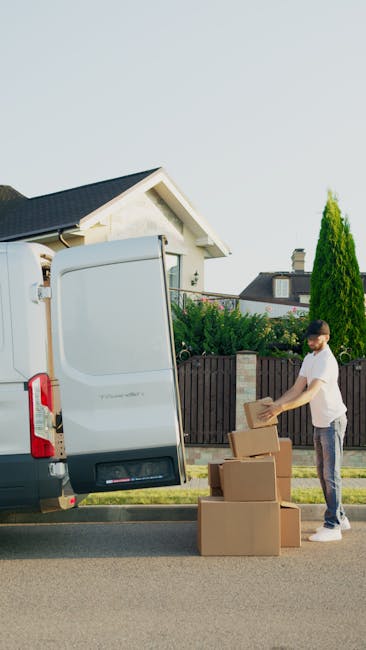
A small but useful point: if you know a street is likely to be busy, aim to have boxes stacked and ready before the van arrives. Waiting until the vehicle is parked to start tying tape, hunting for keys, or checking labels is the kind of thing that turns a decent plan into a slow one. We have all seen it happen.
Expert Tips for Better Results
After enough moves, a few habits stand out. Nothing dramatic, just the little decisions that make life easier.
- Pick the shortest practical carry route. It is not always the front door. Sometimes side access or rear entry is quicker and safer.
- Avoid blocking shared driveways. Even for a short time, this can create avoidable friction with neighbours.
- Protect the loading path. On wet days, consider mats or floor protection to keep things clean and less slippery.
- Use the right lifting technique. Good posture and controlled movement matter. The article on kinetic lifting is a helpful refresher if you are doing any manual carrying yourself.
- Keep the van loading sequence logical. Heaviest items first, fragile items secured, essentials near the end. It sounds obvious, but the order makes a huge difference.
- Build in a small time buffer. Roads, parking, and weather all have their own opinions on your schedule.
For anyone doing a lot of the lifting themselves, solo heavy lifting tips can help you avoid the classic overreach-and-regret scenario. And if you are moving expensive items or want stronger protection, make sure you understand the basics of insurance and safety before the day arrives.
One more thing. If a street looks marginal on paper, do not assume it will be fine because "it's only a quick stop." That phrase has launched many a stressful afternoon. Quick stops have a funny way of becoming long ones.
Common Mistakes to Avoid
A lot of moving problems come from small assumptions. The street looked okay, so the access must be okay. The property has a front path, so the load route must be easy. The van can stop near the house, so there's no need to check anything else. You get the idea.
- Assuming parking will be available. In residential areas, availability can change quickly.
- Not checking van size. A road that suits a smaller vehicle may not suit a larger one.
- Ignoring turning space. Stopping is one thing; leaving without awkward manoeuvres is another.
- Forgetting about neighbours' vehicles. Car positions on the day can affect access more than the road layout itself.
- Underestimating heavy items. A sofa or bed frame that feels manageable indoors can become much harder if the van is parked far away.
- Leaving packing until the last minute. That creates rush, and rush creates mistakes. A bit of structure goes a long way.
Another easy miss is planning the move around the property but not the service. If you need collection, disposal, or storage as part of the move, it helps to think beyond the front gate. The right support may include storage in Carshalton or a broader removal services option, especially if dates do not line up neatly. They often don't, to be fair.
Tools, Resources and Recommendations
You do not need a truck full of fancy kit to move well, but a few practical tools make the process smoother. Think of this as a modest toolkit, not a shopping spree.
- Measuring tape for checking doorways, access gaps, and furniture dimensions
- Phone maps or street view tools for a quick look at road layout and parking conditions
- Labels and markers to keep boxes organised from the start
- Trolley or sack truck for heavier, solid items
- Blankets and straps to keep furniture stable during loading
- Floor protection for entrances, hallways, and wet weather
For packaging materials, the page on packing and boxes in Carshalton is a useful next stop if you are still assembling supplies. That matters more than people think. A well-packed box is easier to lift, easier to stack, and less likely to split at exactly the wrong moment.
If you want a more complete moving overview, house moving made simple and stressfree is a practical companion piece. It ties access planning into the wider move, which is how it should be.
Law, Compliance, Standards, or Best Practice
Street access planning in SM5 should always stay within normal UK road and parking rules, and local conditions may vary from one road to the next. It is sensible to check for any restrictions such as resident-only bays, yellow lines, controlled parking zones, school-area constraints, or time-limited loading conditions before you commit to a parking plan. If in doubt, verify locally rather than guessing. Guessing is expensive in moving terms.
Best practice also means keeping the route safe for everyone around you. That includes pedestrians, wheelchairs, prams, and neighbouring drivers who still need access. A van should not block visibility at junctions or create unnecessary obstruction on narrow residential streets. If a property has awkward access, it may be better to use a smaller vehicle, split the load, or schedule the move at a quieter time.
On the operational side, reputable movers should work in line with ordinary health and safety expectations: safe lifting, sensible load planning, and careful handling of fragile items. If you are curious about the company's approach, the pages on health and safety policy and accessibility statement give useful background on how these standards are treated.
For customers, the best takeaway is simple: good compliance is not about making things complicated. It is about preventing avoidable disruption, protecting people, and keeping the move calm enough to finish properly.
Options, Methods, or Comparison Table
There are a few common ways to approach a move in SM5, and the right one depends on access, volume, timing, and how much you want to do yourself. Here is a plain-English comparison.
| Method | Best for | Pros | Trade-offs |
|---|---|---|---|
| Self-move with a hired van | Smaller loads, confident DIY movers | Flexible, can be lower cost | More physical effort, more planning needed |
| Man and van service | Medium moves, local relocations | Helpful balance of cost and support | Access still needs clear communication |
| Full removals team | Larger homes, heavy or complex items | Less lifting, more coordination | Usually a bigger budget |
| Split move with storage | Staggered dates, downsizing, delays | Reduces pressure when dates do not align | Requires extra planning and handling |
If you are unsure which route fits your move, the safest answer is to match the method to the access. Tight road? Get clearer confirmation. Long carry? Allow more time. Bulky furniture? Consider a more experienced team. If your move involves a mix of household goods and business equipment, the office removals page may also be helpful for planning purposes.
Case Study or Real-World Example
Here is a realistic scenario from the sort of move people in SM5 face all the time. A couple were leaving a first-floor flat with a narrow front approach and limited street parking. On paper, the move looked manageable. In person, though, the biggest challenge was not the stairs; it was getting close enough to the entrance without blocking the road.
They solved it by checking the street the day before, choosing an early morning slot, and clearing the hallway in advance so the loading team could work quickly once the van was parked. One of them had also pre-packed the smaller items and separated the kitchen and bedroom boxes, which sped things up more than expected. The actual carry distance was still short, but those extra ten minutes of planning made the whole thing feel controlled rather than rushed.
A small moment stood out: the driver could position the van just far enough from the junction to stay safe, but close enough that the team didn't need to walk back and forth for every box. There was no drama, no scramble, no "where does this go?" panic. Just a steady flow. Truth be told, that is often what a successful move looks like. Not glamorous. Just calm.
For moves like this, support from man with a van in Carshalton or man and van services can be a practical fit, especially when access matters more than scale.
Practical Checklist
Use this checklist before move day so the street works with you, not against you.
- Confirm the exact moving address and access route
- Check parking availability on the likely loading side of the street
- Look for restrictions, bays, yellow lines, or narrow pinch points
- Measure any tight doorways, gates, or internal routes
- Decide where the van should stop for the shortest safe carry distance
- Pack and label boxes early so loading is efficient
- Set aside fragile, heavy, or high-value items separately
- Protect floors, corners, and entrance paths if needed
- Share access notes with your mover before the day
- Have a backup plan if parking is unexpectedly taken
And one more, because it saves real grief: keep your keys, phone, and a small essentials bag somewhere easy to reach. Not buried under the kettle box. That trick never gets old.
Conclusion
Easy van access in SM5 is not just about finding a road that looks wide enough. It is about understanding how the street, the property, the timing, and the vehicle all fit together on the day. When those pieces line up, the move feels lighter, faster, and far less stressful. When they do not, even a small relocation can become a slog.
The good news is that this is very manageable with the right preparation. Check the access, pack properly, choose the right service level, and keep an eye on the practical stuff that most people only think about after a problem has already started. That is usually the difference between a chaotic move and a smooth one.
If you want help planning a move with better access, clearer timing, and fewer surprises, take a look at the service options and guidance already available on the site. A little early planning goes a long way, and it tends to make the whole day feel more human, somehow.
Get a free quote today and see how much you can save.