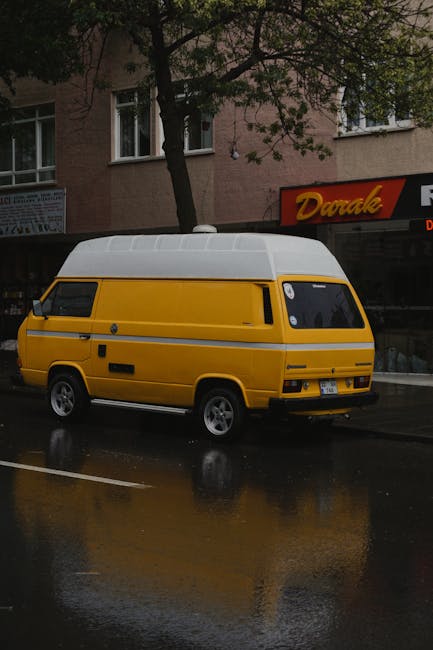
Van Parking & Loading on Carshalton High Street
Posted on 07/05/2026
Van Parking & Loading on Carshalton High Street: A Practical Guide for Smooth, Safe Moves
Parking a van on a busy high street sounds simple until you are standing at the kerb with a sofa, a trolley, and only a few minutes before traffic builds up behind you. That is exactly why van parking and loading on Carshalton High Street deserves proper planning. Whether you are moving a flat, delivering furniture, or coordinating a same-day collection, the difference between a calm job and a stressful one often comes down to where you stop, how long you stop, and how efficiently you load.
This guide breaks the process down in plain English. You will find practical advice on timing, access, loading strategy, common mistakes, compliance, and the small details that save time on the day. If you are planning a move in the area, it also helps to think beyond parking alone and consider preparation, lifting technique, packing, and the type of removal support you may need. For broader moving guidance, our stress-free house moving guide and packing best practices are useful companions to this article.

Why Van Parking & Loading on Carshalton High Street Matters
High streets are rarely designed with moving day in mind. They are shared spaces: pedestrians, shoppers, cyclists, delivery drivers, taxis, and local traffic all need room to move. Add a van, a ramp, and several bulky items, and a simple pickup can quickly become awkward if the parking plan is weak.
On Carshalton High Street, good van parking and loading arrangements matter for three main reasons. First, they reduce disruption to other road users and shopfront access. Second, they help protect your items and the building you are moving from or into. Third, they keep your team working efficiently instead of wasting time circling the area or carrying furniture too far.
In practical terms, loading distance matters more than many people expect. Carrying a fridge or wardrobe an extra 20 or 30 metres may not sound like much, but over multiple trips it can add strain, slow the job, and increase the chance of an accidental knock to a wall, doorway, or parked vehicle. That is why a sensible loading position is not a nice-to-have; it is part of the move itself.
There is also a customer experience angle. If you are booking a man and van in Carshalton or arranging a more involved removal, a well-planned loading point can reduce labour time, stress, and avoidable delays. That may sound obvious, but on a narrow street, the obvious is often what gets forgotten.
How Van Parking & Loading on Carshalton High Street Works
There is no one-size-fits-all loading approach. The right method depends on the vehicle size, the property entrance, the time of day, the level of footfall, and whether you are handling a full house move, a single item, or a commercial collection.
In general, van loading on a high street follows a simple logic:
- Position the van as close as is safe and lawful to the loading point.
- Keep the vehicle aligned so access to the rear doors or side door is efficient.
- Use the shortest practical path between the property and the van.
- Load the largest and heaviest items first where possible.
- Secure items properly before the van moves again.
The challenge is that each of these steps can be affected by local conditions. A busy queue behind you might limit how long you can stop. Nearby junctions, driveways, and crossings can affect safe positioning. If the vehicle is on a slope or uneven surface, loading technique becomes even more important.
For many moves, the smartest approach is to prepare everything before the van arrives. That means boxes labelled, furniture dismantled if needed, and fragile items wrapped. Our guide on better packing practices explains how good preparation reduces loading time in a very real way.
If the move includes awkward items, such as sofas, mattresses, or pianos, the loading process needs extra care. A furniture removals service in Carshalton or a dedicated piano removals team can make a major difference because the method is matched to the item, not just the distance.
Key Benefits and Practical Advantages
Good parking and loading arrangements offer more than convenience. They improve the whole move from start to finish.
- Less carrying distance: This lowers fatigue and speeds up each trip.
- Reduced handling risk: Shorter routes mean fewer chances to scrape walls, bump furniture, or drop items.
- Better schedule control: Efficient loading helps you stay on time, especially if you have a fixed handover slot.
- Less public disruption: A tidy, focused loading setup is easier for everyone around you to live with.
- Cleaner vehicle organisation: A van packed methodically is safer in transit and easier to unload later.
There is also a subtle benefit that experienced movers appreciate: better loading order. If the vehicle is loaded with the wrong sequence, you may have to unpack half the van just to reach one box. Good parking is only part of the equation; smart load planning is what keeps the job efficient. Our article on effective packing techniques covers the logic behind that process well.
Expert summary: On busy local roads, the best loading plan is usually the one that reduces carry distance, protects access for others, and keeps the van organised from the first item to the last.
Who This Is For and When It Makes Sense
This topic matters to more people than you might expect. It is not just for professional movers. Any situation involving a van near a busy high street benefits from careful loading planning.
- Home movers: Especially if you are moving from a flat, terrace, or upper-floor property with limited frontage.
- Students: Quick turnarounds, smaller loads, and tight schedules make good van positioning valuable.
- Landlords and letting agents: Move-ins and move-outs often need efficient access to avoid delays between tenancies.
- Small businesses: Deliveries, equipment swaps, and office clearances often rely on short loading windows.
- Single-item customers: A sofa, mattress, or appliance can still require careful parking to stay safe and efficient.
This is also relevant when timing is tight. Same-day jobs, end-of-tenancy moves, and collection slots do not leave much room for improvisation. If that is your situation, it may be worth looking at same-day removals in Carshalton rather than trying to improvise with a last-minute vehicle stop.
Sometimes the best decision is not to ask, "Can I park here?" but, "How do I make this stop efficient, safe, and unlikely to create a problem?" That subtle shift in thinking saves a lot of headaches.
Step-by-Step Guidance
If you want a practical method, use this sequence. It works well for most local moves and collections, even when the street is busy.
1. Survey the access before the van arrives
Walk the route from the property to the roadside. Look for obstacles such as parked cars, narrow pavements, steps, low walls, overhanging branches, or awkward corners. These details influence where the van should stop.
2. Decide what needs to go first
Heavy and bulky items should generally be prioritised, but only if they are ready to move. If the sofa is still wrapped inside, or the bed frame is not dismantled, you may lose precious minutes. A good pre-move declutter helps too. See why decluttering first makes moving easier.
3. Choose the safest practical stopping point
Do not chase the absolute closest spot if it creates risk. A slightly longer carry distance is better than blocking access, setting up in a blind corner, or forcing a dangerous manoeuvre.
4. Prepare the loading area
Lay down protection where needed, especially for delicate flooring or thresholds. Keep boxes grouped by room or priority. Have straps, blankets, and a trolley ready before you open the rear doors.
5. Load in a sensible order
Start with the items that are hardest to position, then fill the gaps with more compact boxes and soft items. Secure the load as you go instead of waiting until the van is nearly full. A tidy van is a safer van.
6. Recheck before driving away
Make sure doors are latched, load straps are tight, and nothing has shifted. The last thing you want is a loose item sliding the moment you pull away from the kerb.
If lifting is part of the job, use proper technique. The principles behind kinetic lifting and safe lifting methods are useful because they reduce strain and improve control when moving awkward weight.
Expert Tips for Better Results
These are the small, practical details that make a real difference on the day.
- Arrive with a loading plan, not just a vehicle. Know where the largest pieces will sit in the van before you open the doors.
- Use room-by-room groupings. It speeds up unloading and helps prevent lost items.
- Keep the walkway clear. One stray box in the wrong place can slow everyone down.
- Protect corners and edges. Door frames and furniture legs are the first things to get damaged in a rush.
- Plan for weather. Rain, wind, or icy patches can change the safest loading point quickly.
- Think about return access. If you need a second trip, can the van get back in position without drama?
One often overlooked detail is the emotional effect of a calm loading setup. People work better when they are not dodging traffic or juggling three things at once. That sounds obvious, yet on moving day it is easy to forget. Truth be told, a quiet, organised five minutes saves a noisy, stressful half hour.
If you are moving a bed or mattress, read these bed and mattress moving tips. If you are moving a freezer or needing temporary storage, the guidance in preparing a freezer for storage can also help you plan the sequence properly.
![A white commercial van belonging to Man with Van Carshalton is parked on a street in front of a multi-storey residential building with concrete walls and multiple windows. The van is positioned parallel to the pavement, with the front facing to the right of the image. Overhanging branches from a large leafy tree cast shadows on the road and the van. The pavement beside the van is clear, and there are red and white bollards along the curb, indicating a designated parking or loading zone. Inside the open doorway of the building, visible are several cardboard boxes and packing materials, suggesting a home relocation or furniture transport process managed by [COMPANY_NAME]. The building has a weathered appearance, with some visible stains on the concrete exterior and decorative snowflake motifs on the balcony railing. The scene is lit by daylight, emphasizing the urban environment and the logistical aspects of house removals and moving services that [COMPANY_NAME] provides through their vehicle and loading area at this site.](/pub/blogphoto/van-parking-loading-on-carshalton-high-street2.jpg)
Common Mistakes to Avoid
Most problems on a high street are avoidable. The biggest mistake is assuming the job will "just work out" once the van arrives. It usually does not.
- Parking too far away: This creates extra carrying, extra fatigue, and extra risk of drops.
- Ignoring pedestrians and shop access: A loading stop should not block normal movement more than necessary.
- Failing to prepare items in advance: If items are not packed or dismantled, the van can sit idle while people scramble.
- Overloading the van randomly: Poor weight distribution can affect both safety and unloading order.
- Skipping protective materials: Blankets and straps are not optional extras when you care about finish and safety.
- Underestimating time: Loading always takes longer when there is awkward access or larger furniture.
There is also a planning mistake worth calling out: not matching the service to the move. A small collection may suit a man with a van service, while a full household relocation may be better handled through a broader removals service in Carshalton. The right choice depends on volume, access, and time pressure.
Tools, Resources and Recommendations
The right equipment makes loading easier, safer, and faster. You do not need every item on day one, but a small set of tools pays for itself quickly.
| Tool or Resource | Why It Helps | Best For |
|---|---|---|
| Furniture blankets | Protects wood, glass, and painted surfaces during loading | Sofas, cabinets, tables |
| Ratchet straps or load straps | Stops movement in transit and keeps the load stable | Mixed loads, white goods, heavy items |
| Two-wheel trolley | Reduces strain on short, heavy carries | Boxes, appliances, archive loads |
| Work gloves | Improves grip and hand protection | General loading and unloading |
| Room labels and marker pens | Makes unloading quicker and more organised | House moves and office moves |
For people who want a more hands-off approach, professional support can be a wise investment. Services such as man with a van in Carshalton, removal services, and house removals are useful if you want a team that understands access, loading order, and local time constraints.
If you are still comparing service levels, the broader services overview and pricing and quotes information are good starting points.
Law, Compliance, Standards, or Best Practice
For loading on a public street, the important principle is simple: stop only where it is lawful and safe to do so, and minimise disruption to others. The exact rules depend on local signage, road markings, and any restrictions in place, so it is sensible to check the immediate area before you assume a stopping point is acceptable.
In practice, responsible loading means:
- respecting any parking or loading restrictions that apply to the location;
- avoiding obstruction of crossings, junctions, driveways, and emergency access;
- keeping the loading operation as short and efficient as possible;
- using safe manual handling methods;
- protecting people, property, and the vehicle throughout the process.
If you are working with a professional mover, ask how they manage access, risk, and vehicle safety. A reputable operator should be able to explain their approach clearly. Documents such as an health and safety policy and insurance and safety guidance help show that these issues are taken seriously; the same applies across the sector, even if the wording varies by company.
Best practice is not about being overly formal. It is about reducing avoidable risk. If the loading point looks tight, busy, or awkward, take a moment and reassess. That small pause is often what prevents a big problem.
Options, Methods, or Comparison Table
There are usually three ways to manage van parking and loading on a busy high street. The right one depends on the size of the job and how much flexibility you have.
| Method | Pros | Drawbacks | Best Use |
|---|---|---|---|
| Direct kerbside loading | Shortest carry distance, fastest turnaround | May be limited by traffic, restrictions, or space | Urgent collections, small-to-medium moves |
| Short-distance park-and-carry | More flexibility, can reduce obstruction risk | More labour and slower loading | Areas with limited stopping time or awkward frontage |
| Pre-booked professional access plan | Better organisation, less stress, usually more efficient | Requires advance planning and coordination | Full house moves, office moves, large furniture loads |
For many readers, the second option feels like a compromise, but it can actually be the safest choice if the roadside is crowded. The goal is not to be nearest at all costs. The goal is to complete the job cleanly and without unnecessary risk.
Case Study or Real-World Example
Here is a realistic scenario. A couple is moving from a first-floor flat on a busy stretch of Carshalton High Street. They have a sofa, a bed frame, several boxes, and a dining table. The initial instinct is to stop directly outside the building. But the pavement is already busy, and a nearby driveway needs to remain clear.
Instead of forcing the issue, the van is parked a little further along where the roadside is safer and the doors can open fully. The route to the property is a few metres longer, but the team now has space to work properly. The sofa is wrapped, the bed frame is dismantled, and the boxes are grouped by room. The loading sequence is planned before the first item moves.
What happens next is predictable in the best possible way. Trips are consistent, no one is rushing around the back of the van, and the load is secured as it goes in. The result is a move that feels controlled rather than chaotic. That is the kind of difference good parking and loading planning makes.
In a similar office move, a small business may use a commercial removals team to handle desks, files, and equipment in a sequence that keeps the workplace functioning for as long as possible. Again, the loading point and access strategy often matter as much as the manpower itself.
Practical Checklist
Use this checklist before the van arrives. It keeps the day moving and reduces avoidable problems.
- Confirm the exact pickup address and access point.
- Check for road markings, restrictions, and nearby obstacles.
- Decide which items will be loaded first.
- Disassemble bulky furniture where appropriate.
- Pack fragile items securely and label boxes clearly.
- Protect floors, corners, and door frames if needed.
- Have straps, blankets, and a trolley ready.
- Agree who will direct the load and who will carry.
- Keep a clear route between the property and the van.
- Check the load before moving off.
If you want to tighten up the rest of your moving plan, the advice in how to prepare a home before moving day and making house moves easier can help you remove some of the last-minute pressure that usually causes loading mistakes.
Conclusion
Van parking and loading on Carshalton High Street is really about one thing: managing a moving job in a shared space without creating unnecessary stress. The right stopping point, the right loading order, and the right preparation can save time, reduce risk, and make the entire process feel far more controlled.
If you remember only one idea from this guide, make it this: the closest space is not always the best space. The best space is the one that lets you work safely, protect the property, and keep the move efficient from start to finish. That is especially true on a high street where traffic, pedestrians, and narrow access can change the plan in seconds.
When in doubt, build around preparation. Pack well, label clearly, use the right equipment, and choose the service level that fits the size of the move. A bit of planning now is much cheaper than repairing a scraped door frame later.
Get a free quote today and see how much you can save.