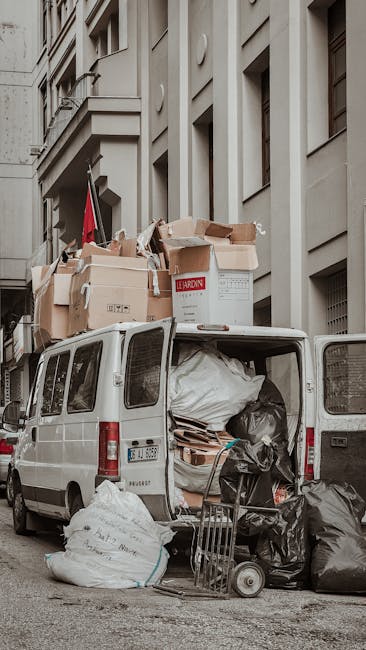
What to Do With Bulky Waste After a Carshalton Move
Posted on 07/05/2026
Moving house is tiring enough without staring at a pile of old wardrobes, broken chairs, mattress corners, and that one heavy item nobody wants to lift. If you have just moved in or out and are wondering what to do with bulky waste after a Carshalton move, you are in the right place. The good news is that there are sensible, legal, and often fairly painless ways to deal with large unwanted items - without leaving them in the hallway and hoping they magically disappear. They never do, annoyingly.
This guide walks you through the practical options, the common mistakes to avoid, and the local realities that matter in Carshalton and the wider Sutton area. You will also find a simple step-by-step process, a comparison table, and a checklist you can actually use. Whether you are clearing one sofa or a whole van-load of post-move clutter, the goal is the same: get it gone safely, cheaply where possible, and without creating a bigger headache later.

Why What to Do With Bulky Waste After a Carshalton Move Matters
Bulky waste is exactly what it sounds like: large household items that are awkward to move, awkward to store, and awkward to dump by accident. Think sofas, beds, wardrobes, tables, white goods, exercise equipment, garden furniture, and damaged items that are too large for a normal bin. After a move, these things tend to gather in a corner and become a decision you keep putting off. You know the feeling. Boxes everywhere, kettle still unpacked, and the broken chest of drawers is somehow the most stubborn thing in the room.
Dealing with bulky waste matters for a few reasons. First, it keeps your new home livable. A fresh move can feel chaotic enough without old clutter following you in. Second, it reduces safety risks. Large items left on stairwells, in hallways, or in front gardens can become trip hazards or block access. Third, it helps you stay on the right side of local waste rules and avoids the very real nuisance of fly-tipping, which is expensive, unsightly, and frankly not worth the risk.
In a place like Carshalton, where homes can range from flats with tight access to family houses with narrow paths and small driveways, bulky waste needs a bit of planning. The wrong choice can mean missed collections, blocked entrances, or a sofa that sits outside longer than it should. The right choice is usually simpler than people expect.
Quick takeaway: bulky waste after a move is not just a cleanup issue. It is a space issue, a safety issue, and a legality issue too.
How What to Do With Bulky Waste After a Carshalton Move Works
The process usually starts with a quick sort. Separate items into what can be reused, what can be recycled, and what is genuinely waste. That sounds obvious, but in the middle of a move it is easy to overlook. A side table with loose legs might be repairable. A mattress with stains is not. A wardrobe could be broken down. A radiator may need a more specific disposal route.
Once you know what you have, you can choose the best route. In practice, most people use one of four options:
- Reuse or donate items that are clean and usable.
- Book a bulky waste collection if you want a straightforward local pickup.
- Use a licensed clearance service if there is a lot of mixed waste or heavy lifting involved.
- Take suitable items to a reuse or recycling facility if you have the transport and time.
What matters most is matching the item to the method. A single mattress needs a very different approach from a full garage clear-out. And if you have just finished moving, the last thing you want is three trips in the car, a sore back, and a "we'll deal with it next weekend" pile that keeps growing. Truth be told, that pile is how most people end up contacting a clearance service anyway.
Good bulky waste handling is usually about reducing friction. Fewer trips. Less lifting. Less uncertainty. More room to breathe in your new place.
Key Benefits and Practical Advantages
Handling bulky waste properly after a move gives you more than a tidy room. It changes the whole feel of the property. There is a noticeable difference between moving into a place with leftover clutter and moving into one that feels genuinely reset. That first impression matters, especially if you are settling in with children, working from home, or trying to get the basics sorted before Monday morning arrives.
Here are the biggest practical advantages:
- More usable space: You can unpack properly when old furniture is not in the way.
- Less stress: One unresolved pile can make the whole move feel unfinished.
- Safer access: Clear paths reduce the risk of trips, scrapes, and blocked exits.
- Better recycling outcomes: Many bulky items contain materials that can be separated.
- Cleaner handover: If you are leaving a property, removing bulky waste avoids disputes and delays.
There is also a less obvious benefit: it forces a reset. A move is the perfect moment to ask, do I really want this item in the new place? If not, this is the cleanest chance you will get to let it go. Not glamorous, but effective.
For some households, the financial benefit matters too. Reusing or donating suitable items can reduce disposal costs, and choosing the right clearance route can prevent wasted fuel, time, and multiple journeys. Small gains, yes - but they add up fast after a move.
Who This Is For and When It Makes Sense
This topic is relevant if you are a homeowner, tenant, landlord, letting agent, or anyone managing a property change in Carshalton. It is especially useful if you have just inherited clutter with the keys, are downsizing, or have been left with furniture that does not fit the new layout. The classic scenario is simple: the sofa looked fine in the old place, and then in the new place it suddenly feels like an elephant in the room. A very lumpy elephant.
It also makes sense for:
- families moving from a larger property into a smaller one
- people clearing out a garage, loft, or shed after relocating
- landlords preparing a property for new tenants
- homeowners replacing old furniture during a refurbishment
- people sorting out white goods, mattresses, or damaged items after a move
If you are already dealing with renovation waste, you may also want to look at broader rubbish removal support, such as a builders waste removal service when the move overlaps with works, or broader rubbish removal in Sutton if the load is mixed and not just furniture.
The main thing is timing. If the bulky waste is blocking your unpacking, affecting a checkout deadline, or making a property harder to sell or rent, it is time to act. Waiting rarely makes it easier. The pile does not politely shrink by itself.
Step-by-Step Guidance
If you want a clean, practical way to handle bulky waste after a Carshalton move, follow this order. It keeps the process manageable and avoids the "where do I even start?" freeze that happens to almost everyone at least once.
1) Identify every bulky item
Walk through the property and list anything too large for standard household bins. Include furniture, white goods, garden items, broken equipment, and dismantled parts. Be honest here. That small pile by the wall counts.
2) Separate reusable items from true waste
Ask a simple question: is this item still functional, clean, and safe for someone else to use? If yes, donation or reuse may be possible. If no, move it into the disposal pile. A scratched table can still have life left in it. A water-damaged mattress, not so much.
3) Check whether items need special handling
Some bulky waste needs extra care, especially appliances, electricals, and items containing hazardous materials. If an item has plugs, refrigerants, fluids, or sharp breakable parts, treat it differently from plain furniture. Do not improvise. That is where problems start.
4) Measure access and weight
Before you choose a disposal route, think about stairs, narrow doors, parking access, and whether items can be dismantled. A bulky item can become much easier to remove if you take off legs, doors, or drawers first. That little bit of effort often saves a lot later.
5) Choose the best disposal method
For one or two items, a collection or drop-off route may be enough. For larger volumes, a clearance service is often simpler. If you want a related service with lifting included, many households also look at house clearance support when moving out of a full property or sorting a deceased estate.
6) Book, prepare, and stage the items
Put the items somewhere accessible, ideally near the exit but not blocking it. Group like with like. Keep screws, hinges, and loose parts in a bag taped to the item if it is being dismantled. A tiny bit of order saves confusion on the day.
7) Confirm what happens next
Before pickup or drop-off, make sure you know what is accepted, what needs separating, and whether the provider is licensed if a clearance service is involved. If the service includes loading, ask exactly where the items should be left. It sounds basic, but it prevents awkward phone calls and wasted trips.
Expert Tips for Better Results
After enough moves, a pattern becomes clear: the people who deal with bulky waste smoothly are not necessarily the most organised ones. They are just the ones who make a few smart decisions early. Little things, really.
- Take photos before you dispose of anything. Helpful for insurance, landlord handovers, or simply remembering what was cleared.
- Strip items down where safe. Flat-packed parts are easier to carry and often easier to recycle.
- Group items by material. Wood, metal, textiles, and electricals may follow different routes.
- Use the move as a declutter deadline. If you have not used it in a year, the move is probably the right time to let it go.
- Keep walkways clear. A cluttered landing or porch can slow everything down and create a hazard.
- Ask about loading support. If the item is heavy or awkward, the value is often in the lifting, not just the van.
One small but useful tip: do the bulky waste decision before the final unpacking chaos takes over. Once the kettles, chargers, and dog leads are everywhere, it becomes much harder to sort what is staying and what is going. To be fair, the first evening in a new home is rarely the calm moment people imagine.
If you are handling a property clear-out rather than just one or two items, it can also help to compare against a broader waste clearance service so you are not paying separately for things that could be handled together.

Common Mistakes to Avoid
Bulky waste mistakes are usually easy to prevent, but they are common because moves are stressful and nobody wants to think about bin rules after a day of lifting boxes. Still, a few errors come up again and again.
- Leaving items on the pavement without checking arrangements. This can lead to complaints or enforcement issues.
- Mixing different waste types together. It makes recycling harder and can increase costs.
- Assuming every item can be taken as-is. Some services have restrictions on mattresses, fridges, chemicals, or dismantled waste.
- Not measuring access. A provider cannot remove a wardrobe if it will not fit through the stairwell.
- Forgetting hidden items. Garden chairs, old blinds, broken mirrors, and under-stairs clutter often get missed.
- Choosing the cheapest route without checking legitimacy. If waste is taken by an unlicensed carrier, it can come back to haunt you.
The most costly mistake is usually the simple one: not planning. A bit of thought at the start avoids rushed decisions later, and rushed decisions are where bulky waste turns into a whole weekend problem.
Tools, Resources and Recommendations
You do not need special equipment for every bulky waste job, but a few practical tools can make the job easier and safer. A tape measure, sturdy gloves, a screwdriver set, a marker pen, and strong bags for loose fixings are often enough for small clearances. For heavier work, a trolley or dolly can save your back. No heroics required.
Here are useful resources to think about in a move-related clearance plan:
- Furniture dismantling tools: useful for wardrobes, beds, and shelving.
- Heavy-duty gloves: sensible for sharp edges, splinters, and dusty loft finds.
- Labels or tape: help separate keep, donate, recycle, and remove piles.
- Spare boxes or rubble bags: useful for screws, brackets, and loose fittings.
- Access measurements: door widths, stair turns, and garden gate clearance matter more than people expect.
If you are comparing support options, start with the practical service pages that match your actual load. A simple single-item removal is different from a full property clearance, and the wrong fit can waste money. For moving-day support, some households also browse the main service area overview to see how different clearance needs are handled in one place.
And if you are dealing with leftover items in a smaller property or shared access building, think about timing. Early morning collections can be quieter, easier to manage, and less disruptive for neighbours. Small detail, but it helps.
Law, Compliance, Standards, or Best Practice
When you are handling bulky waste after a move, the safest approach is to follow normal UK waste best practice: use lawful disposal routes, avoid fly-tipping, and make sure anyone taking your waste is properly authorised. You do not need to become a waste law expert, but you do need to be careful about who handles your items once they leave your property.
In plain English, that means:
- do not leave bulky waste in an uncontrolled public place
- do not assume someone "willing to take it" is the right person to take it
- keep a record or receipt where appropriate, especially for paid removals
- separate hazardous or specialist items where required
- check local collection rules if you are using council-style services
Where appliances or electrical items are involved, be cautious. White goods and electronics often need separate treatment because of materials, fluids, or components. If you are unsure, ask first. That one minute of checking can prevent a messy follow-up.
Best practice also means making sure items are safe to move. Remove glass shelves where possible, secure doors, and avoid overloading bags with sharp or overly heavy materials. In a move, speed matters, but safe handling matters more. Always.
Options, Methods, or Comparison Table
There is no single perfect solution for every bulky waste job after a Carshalton move. The best method depends on volume, item type, access, time, and whether you want to do the lifting yourself. The table below gives a straightforward comparison.
| Option | Best for | Advantages | Possible drawbacks |
|---|---|---|---|
| Reuse or donate | Usable furniture and household items | Low waste, can help others, may reduce disposal volume | Not suitable for damaged, dirty, or unsafe items |
| Bulky item collection | One-off large items or small loads | Convenient, usually straightforward, limited lifting for you | May have item restrictions and booked time slots |
| Licensed clearance service | Multiple items, mixed loads, heavy lifting | Fast, flexible, helpful for full move clear-outs | Usually more expensive than doing it yourself |
| Self-transport to a facility | People with a suitable vehicle and spare time | Can be efficient for smaller volumes | Requires loading, unloading, time, and access planning |
For many people, the choice comes down to this: if the items are few and manageable, reuse or a basic collection may be enough. If the move has left you with a mixed pile and limited time, a fuller clearance route is often the least stressful option. Nothing fancy. Just practical.
Case Study or Real-World Example
Here is a typical local scenario. A family moves into a home in Carshalton and discovers the previous furniture does not suit the layout. There is a large sofa that is too deep for the living room, an old bed frame, a wobbly bookshelf, and a set of garden chairs stored in the shed. At first, they plan to "sort it later". Then boxes start piling up, the hallway narrows, and the spare room becomes a storage cave by day two. Happens all the time.
They begin by separating what can still be used from what is beyond repair. The chairs are still okay, so they are offered for reuse. The sofa is too worn, so it goes into the disposal pile. The bed frame is dismantled carefully, with screws kept in a labelled bag. The bookshelf is awkward but manageable once its shelves are removed. After measuring access and checking what needs collection, the household books a removal for the bulky items only, rather than trying to tackle the whole mess in one go.
The result is simple: the property feels liveable again. Hallways are clear, there is room for the new furniture, and nobody spends the weekend wrestling a sofa through a doorway at an angle that definitely should not work. Better still, they avoid leaving items outside "just for a bit", which is how perfectly ordinary moves turn into avoidable problems.
The useful lesson here is not that every move needs a big clearance. It is that sorting bulky waste early keeps the whole move moving. A bit of momentum goes a long way.
Practical Checklist
Use this checklist before you deal with bulky waste after a move. It keeps things calm, which is more valuable than it sounds.
- Identify every bulky item in the property.
- Separate reusable items from damaged waste.
- Check for electrical, fluid-containing, or specialist items.
- Measure doors, stairs, and garden access.
- Decide whether to donate, collect, or clear.
- Break down items where safe and practical.
- Bag small fixings and tape them to the item.
- Keep walkways and exits clear.
- Confirm collection details before the day.
- Keep any paperwork or receipt if a service is used.
If you can tick all ten, you are in good shape. If not, fix the gaps before the waste starts becoming part of the scenery. It sneaks up on you, honestly.
Get a free quote today and see how much you can save.
Conclusion
What to do with bulky waste after a Carshalton move comes down to three things: sort it properly, choose the right disposal route, and do not leave it hanging around longer than necessary. The more clearly you separate reusable items, true waste, and anything that needs special handling, the easier the whole process becomes. And in a move, easy is good. Easy is gold.
If you are dealing with just a single awkward item, a simple pickup or reuse route may be enough. If you are looking at a full pile of furniture, mixed rubbish, or a property that needs to be cleared quickly, it is worth taking a more structured approach. Either way, the aim is the same: clear the space, protect the property, and make the move feel finished rather than half-done.
One last thought: a good move is not only about getting things into a new place. It is also about choosing what deserves to come with you. That part can be strangely freeing.